general
What to Expect in Your First Week of Phlebotomy Training?
Starting phlebotomy training soon? Here's a realistic walkthrough of your first week — from safety and terminology on day one, to equipment and procedure, to your first hands-on lab session. Includes what tends to surprise new students and how to prepare before you walk in.
What to Expect in Your First Week of Phlebotomy Training
Starting a new training program is a little nerve-wracking, especially when it involves needles. If you're about to begin a phlebotomy program, here's a realistic look at what your first week actually looks like — so you can walk in prepared instead of guessing.
Day One: Orientation and the Basics
Your first day is rarely about drawing blood. It's about building the foundation everything else sits on:
- Program orientation — schedule, expectations, attendance policy, and how the hybrid format works (evening lecture nights vs. weekend labs)
- Safety and infection control — proper use of PPE (gloves, gowns when needed), handwashing protocol, and how to avoid needlestick injuries
- Bloodborne pathogen training — understanding OSHA standards and why they exist
- Introduction to anatomy — the circulatory system, the veins you'll actually be working with, and basic terminology you'll use every day (venipuncture, hemolysis, tourniquet, antecubital fossa, and similar terms)
By the end of day one, you won't have touched a needle yet — and that's normal. Safety and terminology come first for a reason.
Days Two and Three: Equipment and Procedure
Once the foundation is set, you'll move into the tools of the trade:
- Equipment familiarization — needles, tube holders, collection tubes (and what each colored tube top actually means for lab testing), tourniquets, and alcohol prep
- Order of draw — the specific sequence tubes must be collected in to avoid contaminating test results
- Patient identification and labeling protocol — this sounds administrative, but it's one of the most heavily tested and heavily emphasized skills in the entire program, because a mislabeled sample can cause real harm
- Site selection — how to evaluate a vein and choose where to draw
This is usually where students start practicing on training arms (silicone practice arms with simulated veins) before ever working with a real person.
The First Weekend Lab: Hands-On Practice
If your program follows a hybrid format — evening lectures during the week, hands-on labs on the weekend — your first in-person lab session is usually the moment training starts feeling real. Expect to:
- Practice venipuncture technique on practice arms under direct instructor supervision
- Get hands-on correction on your grip, angle, and insertion technique
- Practice the full patient interaction sequence: greeting, ID verification, explaining the procedure, and post-draw care
- Start building the muscle memory that classroom instruction alone can't give you
It's completely normal to feel awkward or slow at first. Almost everyone does. The repetition is the point.
What Surprises Most Students
A few things tend to catch new students off guard:
- How much of it is non-needle work. Documentation, patient communication, and sample handling take up more time than the actual draw.
- How quickly the terminology becomes second nature. Words that feel foreign on day one are part of your normal vocabulary by week two.
- How much emphasis is placed on patient comfort. A big part of the job is putting anxious patients at ease — technical skill alone isn't enough.
- The pace. A short program like phlebotomy moves fast. There's not much room for falling behind, so staying on top of homework and practice between sessions matters from day one.
How to Prepare Before You Start
- Get comfortable with basic medical terminology ahead of time if you can — it'll make week one lectures easier to follow
- Ask about the attendance policy in advance, since programs are short and every session builds on the last
- If you're nervous about needles yourself, know that this is common and instructors are used to working through it with students
- Plan your schedule around both the weekday evening lectures and weekend labs before you start — missing a hands-on lab session is harder to make up than a lecture
Start Your Phlebotomy Training in Duluth, GA
Bliss Medical Academy's Phlebotomy Technician program is built for exactly this kind of hands-on, structured start:
- Length: 110 hours
- Format: Evening Zoom lectures + weekend in-person labs
- Cost: $1,625
- Location: Duluth, GA
- Certification: Prepares you for the NHA Certified Phlebotomy Technician (CPT) exam
Learn more and enroll at Bliss Medical Academy →
This article is for general informational purposes and describes a typical phlebotomy training experience. Actual course structure, pacing, and week-one content may vary — confirm specifics directly with Bliss Medical Academy.
Written by
Rajesh Bhatia
Keep reading
More from the blog
Is Bliss Medical Academy GNPEC Approved?
Wondering if a training program is legitimate? GNPEC authorization is the state's stamp of approval for career schools in Georgia. This post explains what GNPEC actually checks, confirms Bliss Medical Academy's current authorization, and shows why this matters more than price when comparing programs.
CCMA vs. CMA Certification: What's the Difference?
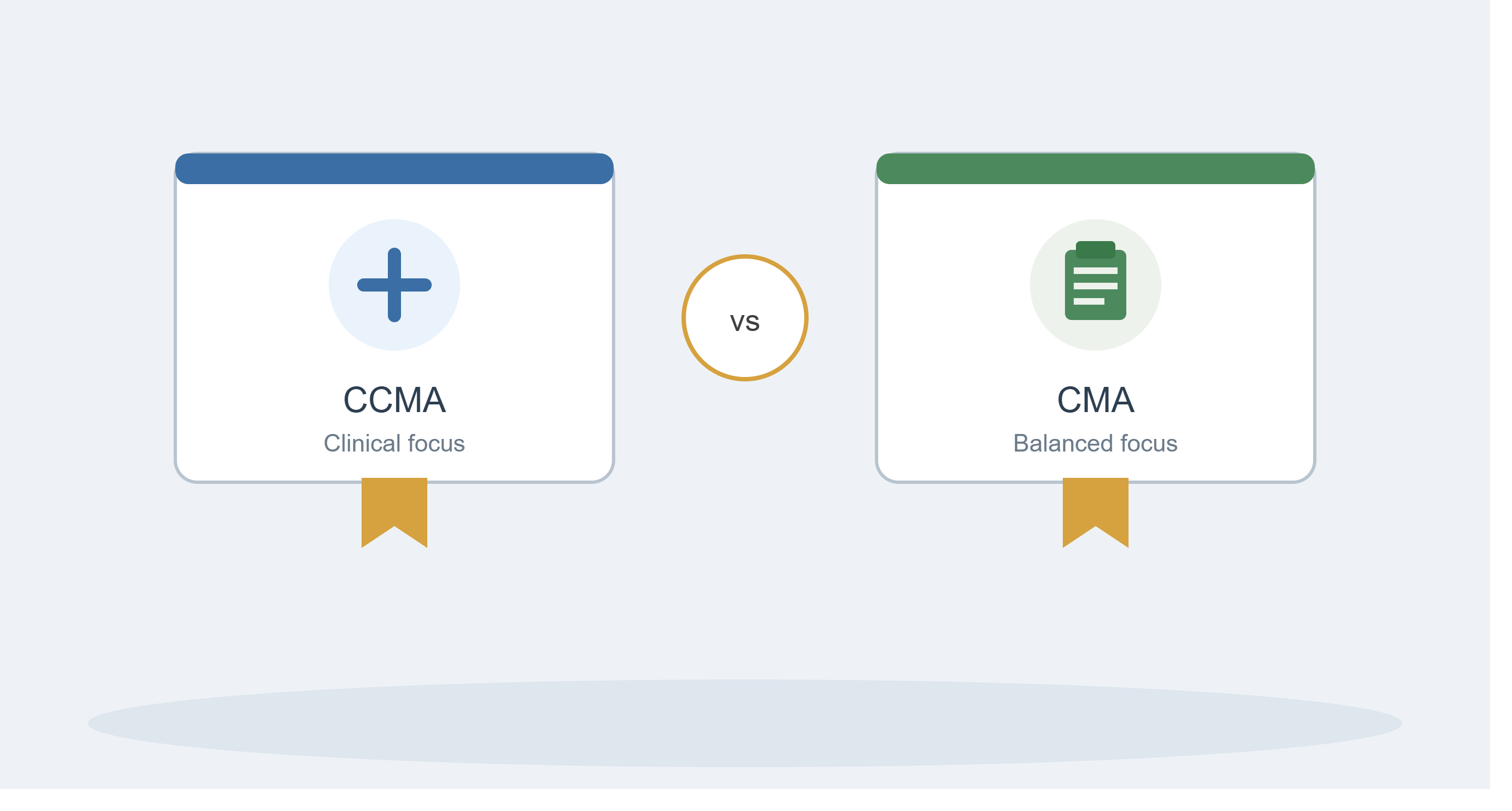
CCMA and CMA are the two most common Medical Assistant certifications, but they come from different organizations with different eligibility rules. This guide breaks down what each one requires, what the exams cover, and — most importantly — which one your training program actually qualifies you for.

How Much Does a Medical Assistant Make in Georgia?
Curious what Medical Assistants actually earn in Georgia? This guide breaks down average pay by experience level and certification status, why certification makes a real difference in your paycheck, and how a MA training program stacks up against the investment.