general
How Much Does a Medical Assistant Make in Georgia?
Curious what Medical Assistants actually earn in Georgia? This guide breaks down average pay by experience level and certification status, why certification makes a real difference in your paycheck, and how a MA training program stacks up against the investment.

How Much Does a Medical Assistant Make in Georgia?
If you're considering a Medical Assistant career, pay is probably one of your top questions — right alongside how long training takes. Here's an honest look at what Medical Assistants actually earn in Georgia, based on current salary data.
Average Medical Assistant Salary in Georgia
Salary estimates vary depending on the source and whether the figure includes certified vs. non-certified Medical Assistants, but a reasonable range for Georgia in 2026 looks like this:
- General average (all experience levels): roughly $35,000–$39,000 per year (about $17–$19/hour), based on data from ZipRecruiter, Indeed, and Stepful
- Certified Medical Assistants: typically higher, in the $44,000–$48,000 per year range (about $21–$23/hour), based on Salary.com and Glassdoor
- Atlanta metro area: tends to run slightly above the statewide average, with Glassdoor reporting roughly $42,000/year for general Medical Assistants and closer to $48,000/year for certified ones
Keep in mind these are averages pulled from job postings and self-reported salary data — your actual starting pay will depend on your employer, location within Georgia, certification status, and specialty.
Why Certification Makes a Real Difference
One pattern shows up consistently across every salary source: certified Medical Assistants earn noticeably more than non-certified ones — often several thousand dollars more per year. Employers use certifications like the NHA Certified Clinical Medical Assistant (CCMA) as a quick way to verify you have the training and competency to do the job, and many employers now require it outright.
If you're choosing between a training program that prepares you for certification and one that doesn't, certification-prep should be a non-negotiable. It directly affects both your hireability and your paycheck.
Does Specialty Affect Pay?
Yes. Medical Assistants working in specialties like cardiology tend to out-earn those in general or primary care settings, based on salary data from Stepful. Family medicine and primary care roles are common starting points, with the option to move into higher-paying specialties as you gain experience.
How Pay Grows With Experience
Entry-level Medical Assistants typically start on the lower end of the range, with pay climbing as you build experience:
- Entry-level (0–1 year): lower end of the range, often in the low-to-mid $30,000s
- Early career (1–4 years): moves toward the $38,000–$44,000 range
- Experienced / certified with specialty experience: can reach $45,000–$50,000+, particularly in higher-paying specialties or metro areas like Atlanta
Some sources report even higher figures for highly experienced or senior Medical Assistants, especially those who take on lead or supervisory responsibilities.
Is Medical Assistant Pay Worth the Training Investment?
Medical Assistant training typically takes around 16 weeks. Compared to a two-year degree path, that's a fast return: you can be certified, working, and earning in about four months. For many students, the appeal isn't just the starting salary — it's the combination of quick entry, real clinical experience, and a credential that opens the door to further healthcare education if you decide to keep advancing (LPN, RN, and other allied health paths).
Train as a Medical Assistant in Duluth, GA
Bliss Medical Academy's Medical Assistant program is built to get you certification-ready with real hands-on training:
- Length: 486 hours
- Cost: $4,400
- Format: Hybrid — evening lectures + weekend hands-on labs
- Location: Duluth, GA
Learn more and enroll at Bliss Medical Academy →
Salary figures in this article are estimates compiled from third-party sources including ZipRecruiter, Indeed, Salary.com, Glassdoor, and Stepful as of 2026, and are provided for general informational purposes only. Actual pay varies by employer, location, experience, and certification status. This article doesn't guarantee any specific salary outcome and isn't a substitute for researching current listings in your area.
Written by
Rajesh Bhatia
Keep reading
More from the blog

Is Bliss Medical Academy GNPEC Approved?
Wondering if a training program is legitimate? GNPEC authorization is the state's stamp of approval for career schools in Georgia. This post explains what GNPEC actually checks, confirms Bliss Medical Academy's current authorization, and shows why this matters more than price when comparing programs.
What to Expect in Your First Week of Phlebotomy Training?
Starting phlebotomy training soon? Here's a realistic walkthrough of your first week — from safety and terminology on day one, to equipment and procedure, to your first hands-on lab session. Includes what tends to surprise new students and how to prepare before you walk in.
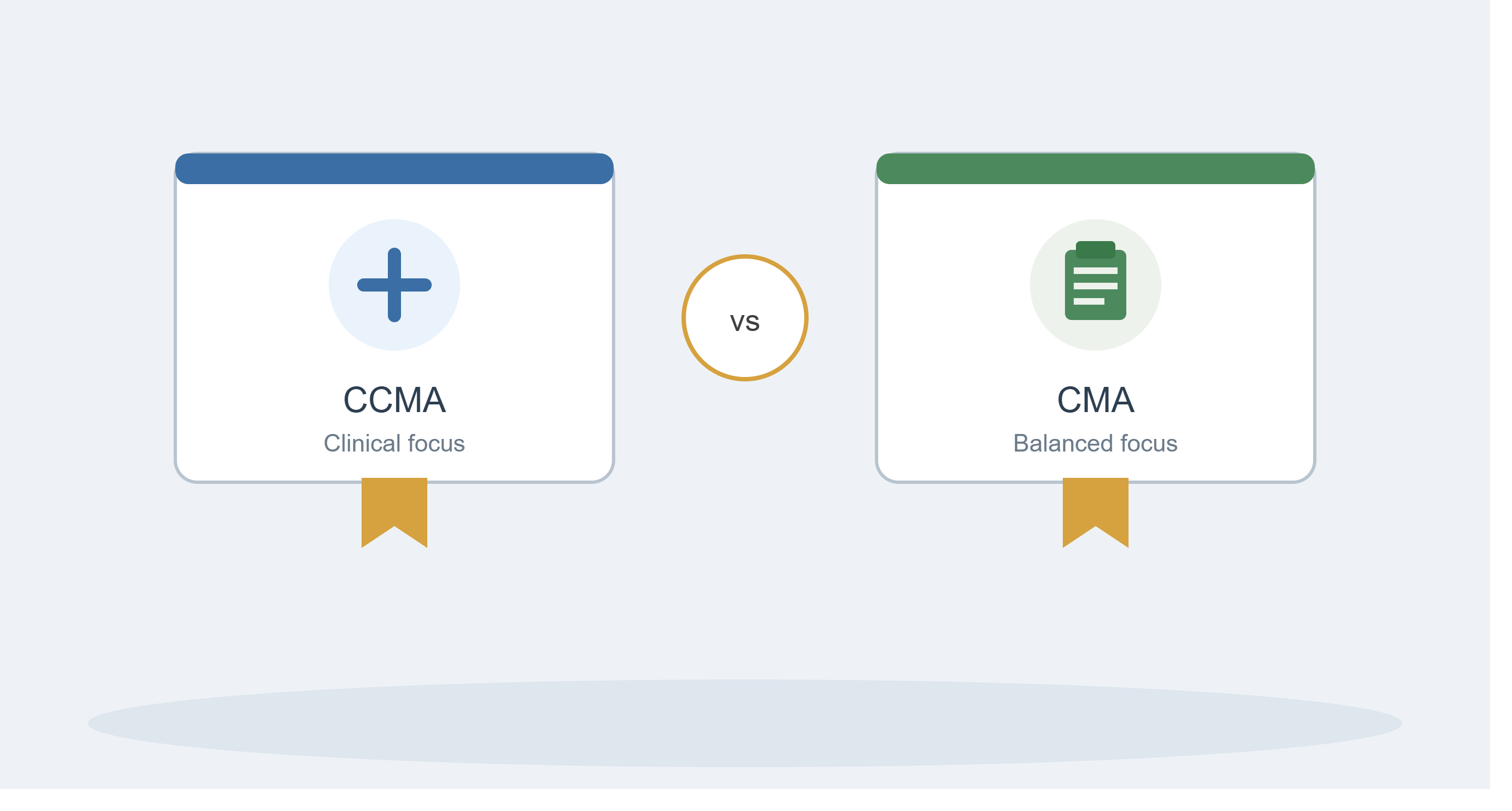
CCMA vs. CMA Certification: What's the Difference?
CCMA and CMA are the two most common Medical Assistant certifications, but they come from different organizations with different eligibility rules. This guide breaks down what each one requires, what the exams cover, and — most importantly — which one your training program actually qualifies you for.