general
How to Become a Phlebotomy Technician in Georgia
Learn how to become a certified phlebotomy technician in Georgia — training requirements, NHA certification, timeline, and costs, step by step.
How to Become a Phlebotomy Technician in Georgia
If you're looking for a healthcare career that doesn't require years of school, phlebotomy is one of the fastest ways in. Phlebotomy technicians draw blood for lab testing, transfusions, donations, and research — and in Georgia, you can be certified and job-ready in a matter of weeks, not years.
Here's exactly what the path looks like.
What Does a Phlebotomy Technician Do?
Phlebotomists are the healthcare professionals who draw blood from patients. That includes:
- Venipuncture (drawing blood from a vein) and capillary sticks
- Verifying patient identity and labeling samples correctly
- Preparing and maintaining a sterile, safe draw station
- Explaining the process to patients and easing anxiety, especially with kids or needle-phobic patients
- Following strict safety and infection-control protocols
Phlebotomists work in hospitals, private labs, blood donation centers, physician's offices, and urgent care clinics — anywhere blood needs to be drawn and handled correctly.
Step 1: Complete a Phlebotomy Training Program
Georgia does not require a college degree to become a phlebotomist. What you need is a structured training program that teaches both the classroom fundamentals (anatomy, blood collection procedures, safety standards) and hands-on clinical skills (actual venipuncture practice).
Look for a program that:
- Is approved by the Georgia Nonpublic Postsecondary Education Commission (GNPEC), the state body that authorizes career training schools
- Includes real hands-on lab practice, not just video lectures
- Prepares you specifically for a national certification exam
- Fits your schedule — many working adults need evening or weekend options
A good phlebotomy program typically runs 100-120 hours and takes around 4-6 weeks to complete.
Step 2: Get Certified
Georgia doesn't legally require phlebotomy certification to work, but in practice, almost every employer requires it. The most widely recognized certification is the NHA Certified Phlebotomy Technician (CPT) exam, administered by the National Healthcareer Association.
To sit for the exam, you'll typically need to show proof of completed training hours and a minimum number of successful supervised blood draws. Your training program should build this directly into the curriculum so you walk out ready to test.
Step 3: Apply for Jobs
Once certified, you're eligible for entry-level phlebotomy roles at:
- Hospitals and hospital labs
- Diagnostic and reference labs (LabCorp, Quest, and similar)
- Physician's offices and urgent care centers
- Blood donation centers (American Red Cross and similar organizations)
- Outpatient clinics
Many training programs also help with resume prep and connect students to hiring partners, which can shorten the gap between finishing your program and landing your first job.
How Long Does It Take?
This is the biggest draw of phlebotomy as a career path: you can go from no healthcare background to certified and job-ready in about 5-6 weeks. Compare that to a two-year associate degree, and it's easy to see why phlebotomy is a popular entry point into healthcare — especially for people looking to switch careers without putting their life on hold.
How Much Does Training Cost?
Phlebotomy training programs in Georgia generally range from around $1,200 to $2,500, depending on the school, program length, and whether the cost includes your certification exam fee. Ask any program you're considering exactly what's included — training only, or training plus exam prep and testing.
Is Phlebotomy a Good Career Choice?
A few reasons people choose phlebotomy as a first step into healthcare:
- Fast entry. Weeks of training, not years.
- Affordable. Far less expensive than a nursing or allied health degree.
- Stepping stone. Many phlebotomists use the role to get healthcare experience while working toward becoming a Medical Assistant, LPN, or RN.
- Steady demand. Labs, hospitals, and clinics consistently need trained phlebotomists.
Start Your Phlebotomy Career in Duluth, GA
Bliss Medical Academy offers a hands-on Phlebotomy Technician program designed for people who need to keep working while they train. The program runs 5 weeks (110 hours) with evening Zoom lectures Monday, Wednesday, and Friday, plus in-person labs on weekends — so you get real hands-on practice without putting your job or family schedule on hold.
Program details:
- Length: 110 hours
- Format: Hybrid — evening Zoom lectures + weekend in-person labs
- Cost: $1,625
- Location: Duluth, GA
- Certification: Prepares you for the NHA Certified Phlebotomy Technician (CPT) exam
Learn more and enroll at Bliss Medical Academy →
This article is for general informational purposes and doesn't replace guidance from a specific training program or licensing body. Program details are current as of publication — confirm current pricing, schedule, and start dates directly with Bliss Medical Academy.
Written by
Rajesh Bhatia
Keep reading
More from the blog

Is Bliss Medical Academy GNPEC Approved?
Wondering if a training program is legitimate? GNPEC authorization is the state's stamp of approval for career schools in Georgia. This post explains what GNPEC actually checks, confirms Bliss Medical Academy's current authorization, and shows why this matters more than price when comparing programs.
What to Expect in Your First Week of Phlebotomy Training?
Starting phlebotomy training soon? Here's a realistic walkthrough of your first week — from safety and terminology on day one, to equipment and procedure, to your first hands-on lab session. Includes what tends to surprise new students and how to prepare before you walk in.
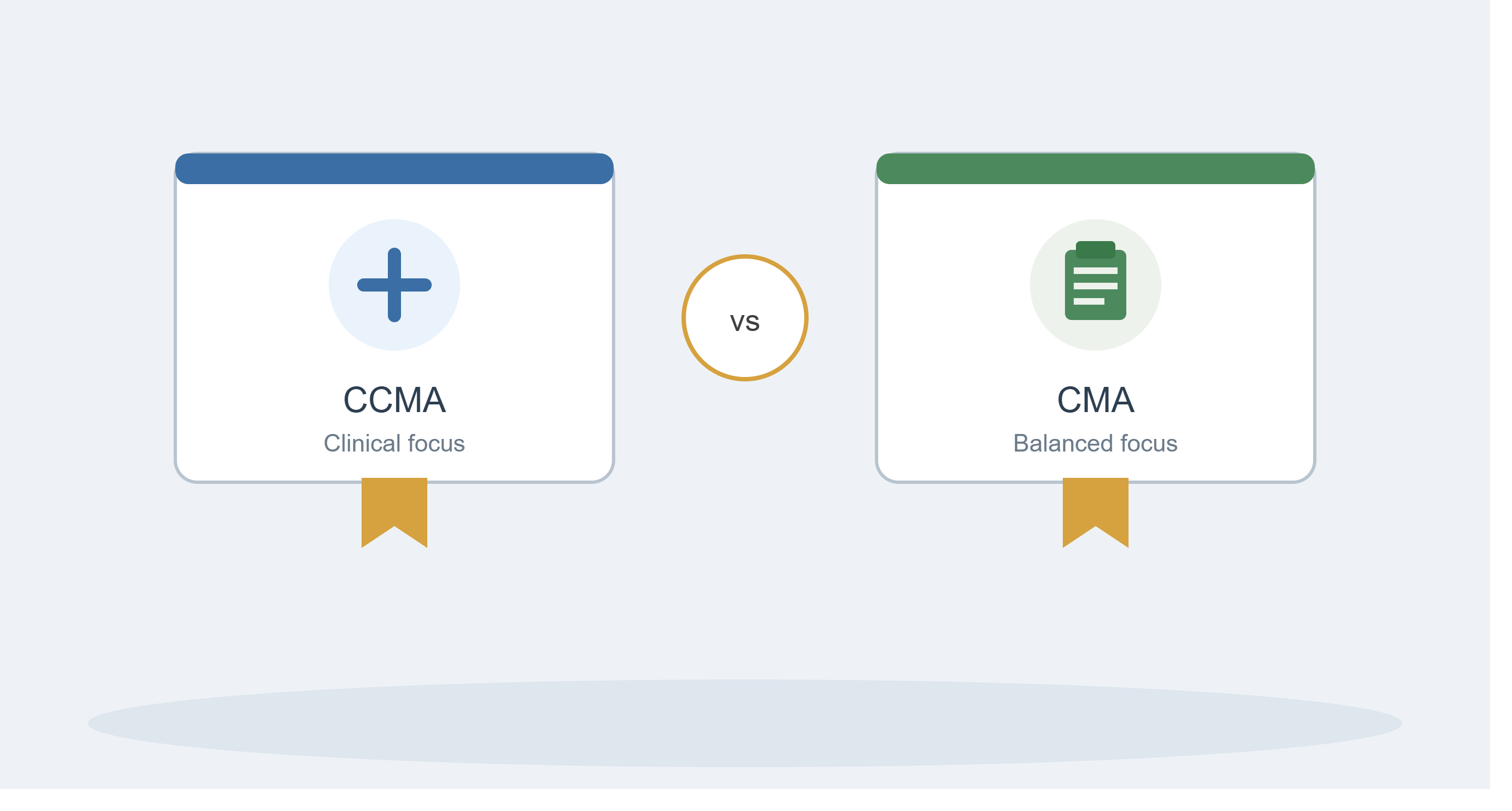
CCMA vs. CMA Certification: What's the Difference?
CCMA and CMA are the two most common Medical Assistant certifications, but they come from different organizations with different eligibility rules. This guide breaks down what each one requires, what the exams cover, and — most importantly — which one your training program actually qualifies you for.